AI
AI
Tools
Tools
10 Latest AI Tools Early-Stage Founders Are Using in 2026
10 Latest AI Tools Early-Stage Founders Are Using in 2026
Date published: 14 Feb, 2026
Read Time: 7 mins read
- DotEdge Design
Date published: 14 Feb, 2026
Read Time: 7 mins read

10 Latest AI Tools Early-Stage Founders Are Using in 2026
Date published: 14 Feb, 2026
Read Time: 7 mins read
How AI Is Making Founder Work Faster
How AI Is Making Founder Work Faster
How AI Is Making Founder Work Faster
Starting a company has always meant juggling product, hiring, marketing, operations, and fundraising, often at the same time. In 2026, AI is helping founders remove a lot of this operational load so they can focus on building and growing.
Today, founders are using AI to build MVPs without full engineering teams, automate internal workflows, generate marketing content, and make faster business decisions using real-time insights. Instead of spending weeks researching, building, or documenting, founders can now do many of these tasks in hours.
The biggest shift is simple: AI is no longer just a productivity tool, it is becoming an execution layer. The founders who understand how to use AI early are able to launch faster, test faster, and scale with smaller teams.
Let’s get into what’s actually worth using.
Starting a company has always meant juggling product, hiring, marketing, operations, and fundraising, often at the same time. In 2026, AI is helping founders remove a lot of this operational load so they can focus on building and growing.
Today, founders are using AI to build MVPs without full engineering teams, automate internal workflows, generate marketing content, and make faster business decisions using real-time insights. Instead of spending weeks researching, building, or documenting, founders can now do many of these tasks in hours.
The biggest shift is simple: AI is no longer just a productivity tool, it is becoming an execution layer. The founders who understand how to use AI early are able to launch faster, test faster, and scale with smaller teams.
Let’s get into what’s actually worth using.
Vercel v0
Vercel v0
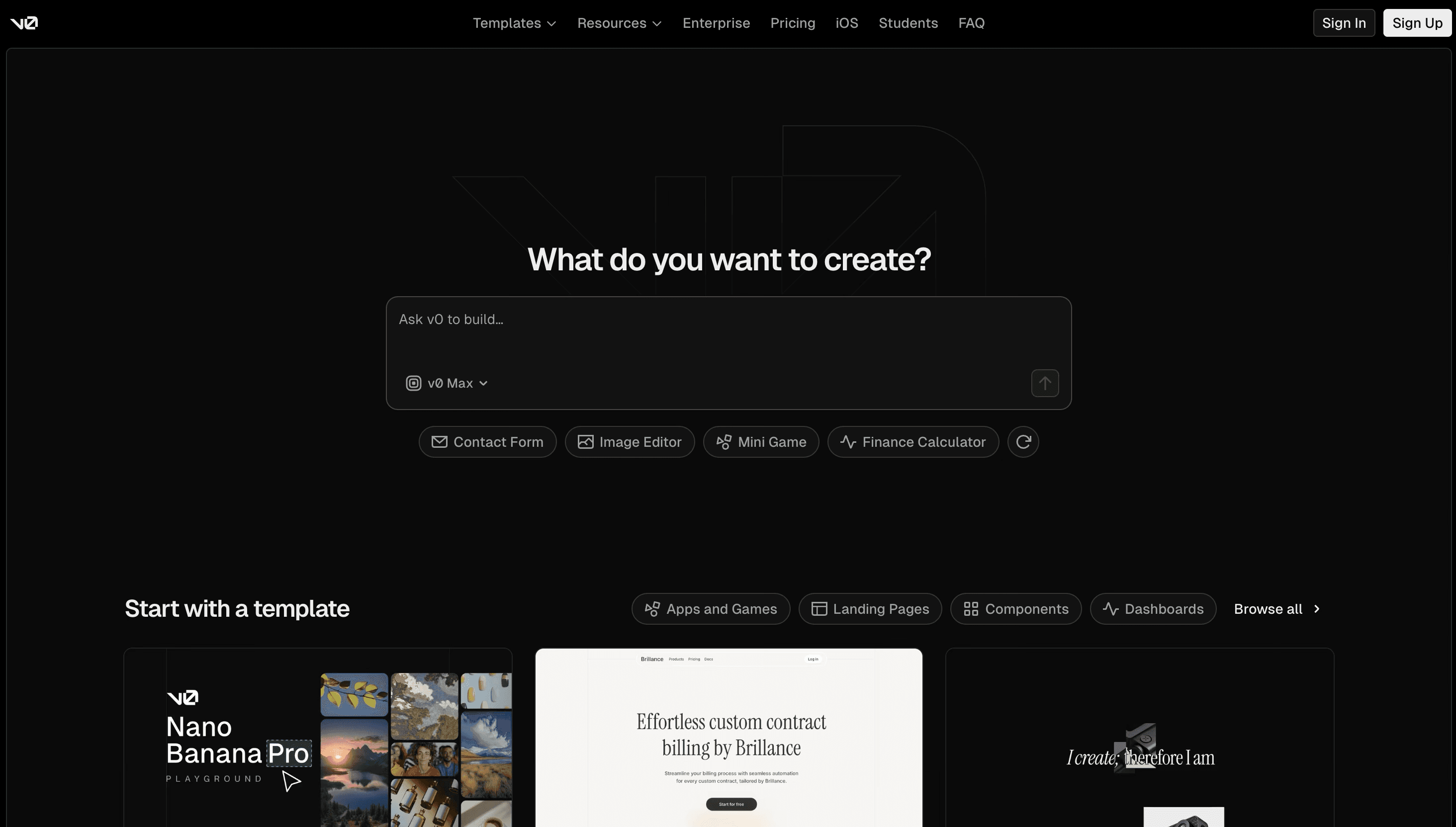
Vercel v0 is an AI-powered UI and app generation tool that allows founders to build product interfaces and components using simple text prompts. Instead of manually designing and coding UI screens, founders can describe what they want like a dashboard, landing page, or onboarding flow and v0 generates production-ready code. It integrates well with modern frontend stacks and helps teams go from idea to working UI extremely fast. For early founders, this means faster MVP launches and lower dependency on large frontend teams.
Vercel v0 is an AI-powered UI and app generation tool that allows founders to build product interfaces and components using simple text prompts. Instead of manually designing and coding UI screens, founders can describe what they want like a dashboard, landing page, or onboarding flow and v0 generates production-ready code. It integrates well with modern frontend stacks and helps teams go from idea to working UI extremely fast. For early founders, this means faster MVP launches and lower dependency on large frontend teams.
Pros
Pros
Extremely fast UI generation
Good for MVP and early product builds
Works well with modern web stacks
Extremely fast UI generation
Good for MVP and early product builds
Works well with modern web stacks
Cons
Cons
Extremely fast UI generation
Good for MVP and early product builds
Works well with modern web stacks
Extremely fast UI generation
Good for MVP and early product builds
Works well with modern web stacks
Best Suited For
Best Suited For
MVPs, SaaS products, internal tools, landing pages
MVPs, SaaS products, internal tools, landing pages
Replit AI
Replit AI
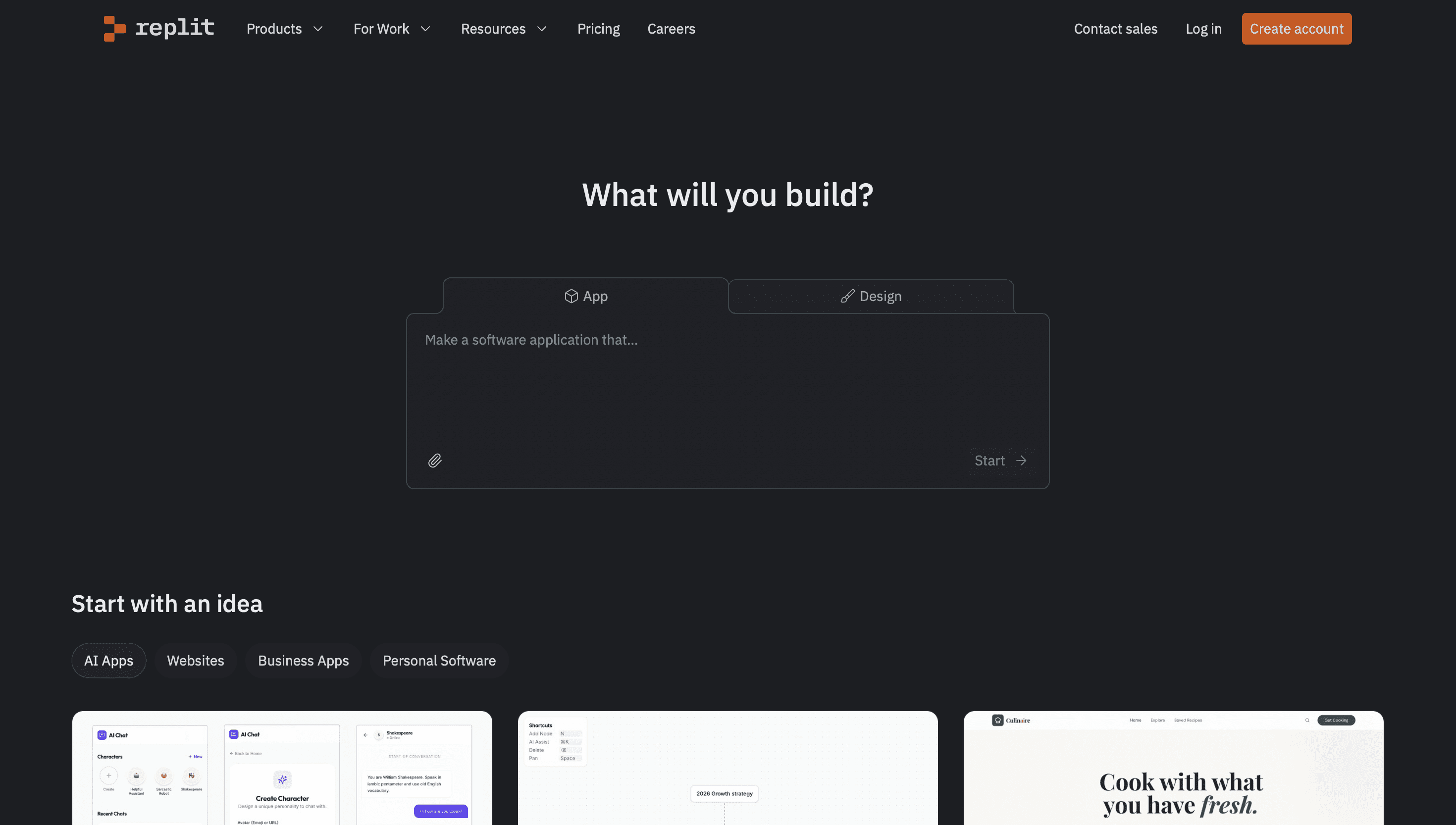
Replit AI is a browser-based development environment where AI actively helps you write, debug, and deploy code. Founders can build full applications without setting up complex local development environments. The AI assistant helps generate functions, fix bugs, and explain code logic. For early-stage founders, especially solo builders or small teams, Replit removes setup friction and allows faster experimentation and shipping.
Replit AI is a browser-based development environment where AI actively helps you write, debug, and deploy code. Founders can build full applications without setting up complex local development environments. The AI assistant helps generate functions, fix bugs, and explain code logic. For early-stage founders, especially solo builders or small teams, Replit removes setup friction and allows faster experimentation and shipping.
Pros
Pros
Very beginner friendly
Fast prototyping
Built-in hosting
Very beginner friendly
Fast prototyping
Built-in hosting
Cons
Cons
Less flexible than custom infra
Performance limits for large systems
Less flexible than custom infra
Performance limits for large systems
Best Suited For
Best Suited For
Solo founders, prototypes, early product experiments
Solo founders, prototypes, early product experiments
CrewAI
CrewAI
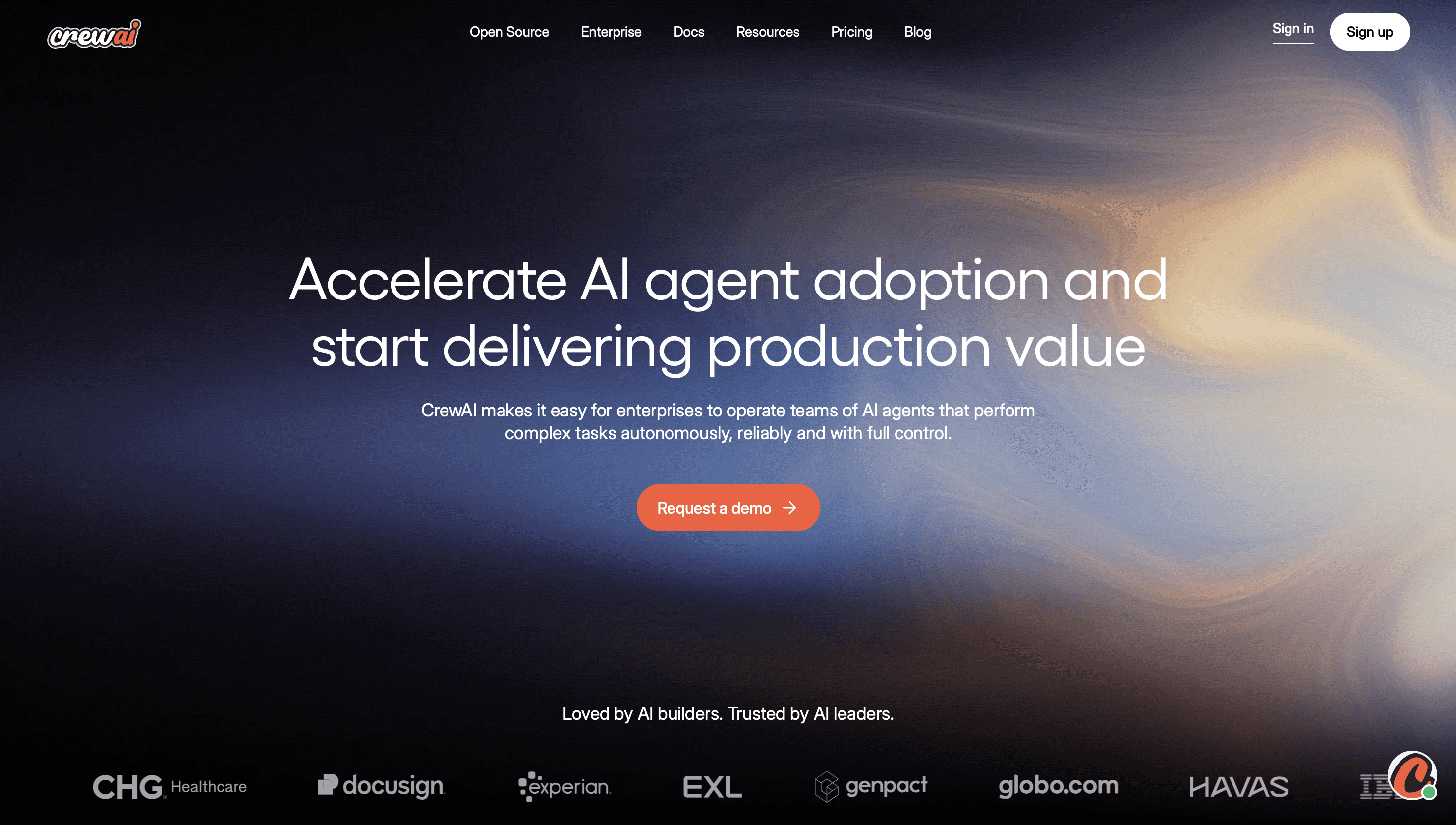
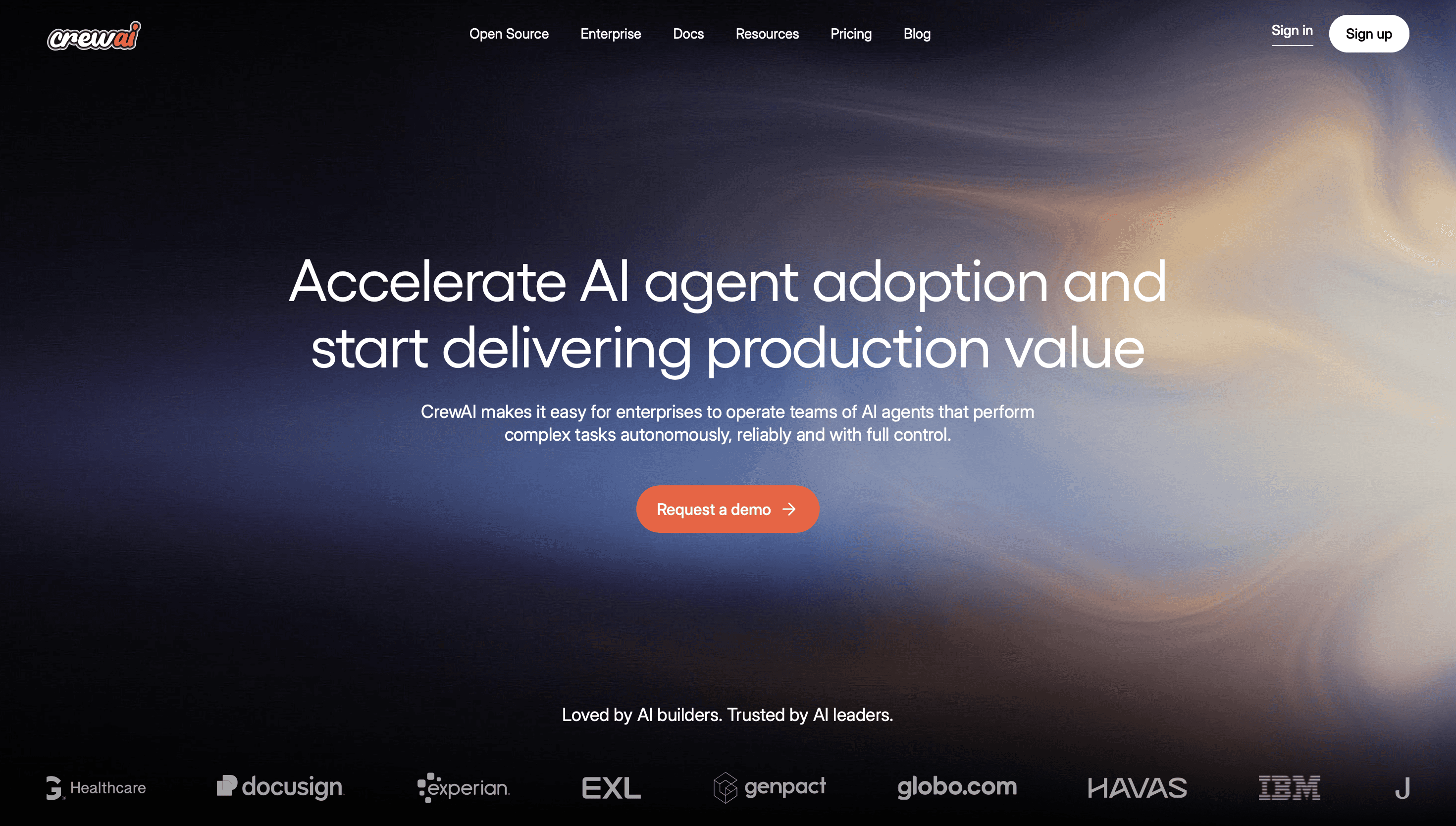
CrewAI allows founders to create multiple AI agents that work together like a team. For example, one agent can research competitors, another can write content, and another can analyze results. Instead of running one AI task at a time, CrewAI lets founders build automated workflows where AI systems collaborate. This is especially powerful for automating operations, research pipelines, and content production at scale.
CrewAI allows founders to create multiple AI agents that work together like a team. For example, one agent can research competitors, another can write content, and another can analyze results. Instead of running one AI task at a time, CrewAI lets founders build automated workflows where AI systems collaborate. This is especially powerful for automating operations, research pipelines, and content production at scale.
Pros
Pros
Strong automation potential
Highly customizable workflows
Open ecosystem
Strong automation potential
Highly customizable workflows
Open ecosystem
Cons
Cons
Learning curve for setup
Cost increases with scale
Learning curve for setup
Cost increases with scale
Best Suited For
Best Suited For
Automation, AI operations, research workflows
Automation, AI operations, research workflows
OpenClaude
OpenClaude
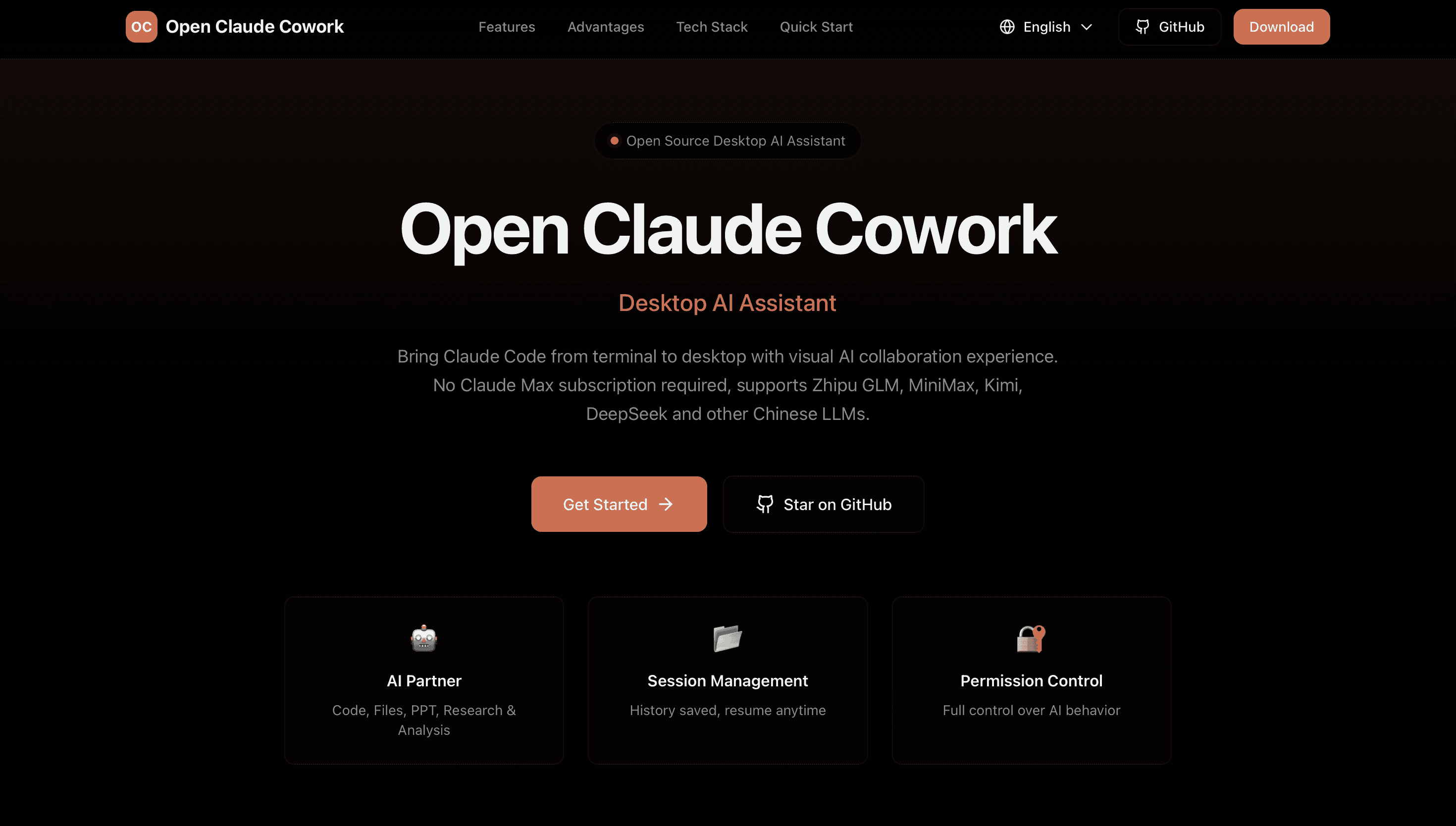
OpenClaude-style tools represent a new category of AI that can perform multi-step tasks across multiple tools. Instead of just answering questions, these tools can plan actions, execute workflows, and complete operational tasks. Founders can use them for repetitive workflows like research compilation, data extraction, reporting, and task execution across SaaS tools.
OpenClaude-style tools represent a new category of AI that can perform multi-step tasks across multiple tools. Instead of just answering questions, these tools can plan actions, execute workflows, and complete operational tasks. Founders can use them for repetitive workflows like research compilation, data extraction, reporting, and task execution across SaaS tools.
Pros
Pros
Reduces repetitive work
Cross-tool automation potential
Reduces repetitive work
Cross-tool automation potential
Cons
Cons
Still evolving ecosystem
Requires setup and monitoring
Still evolving ecosystem
Requires setup and monitoring
Best Suited For
Best Suited For
Operations automation, internal productivity workflows
Operations automation, internal productivity workflows
Antigravity
Antigravity
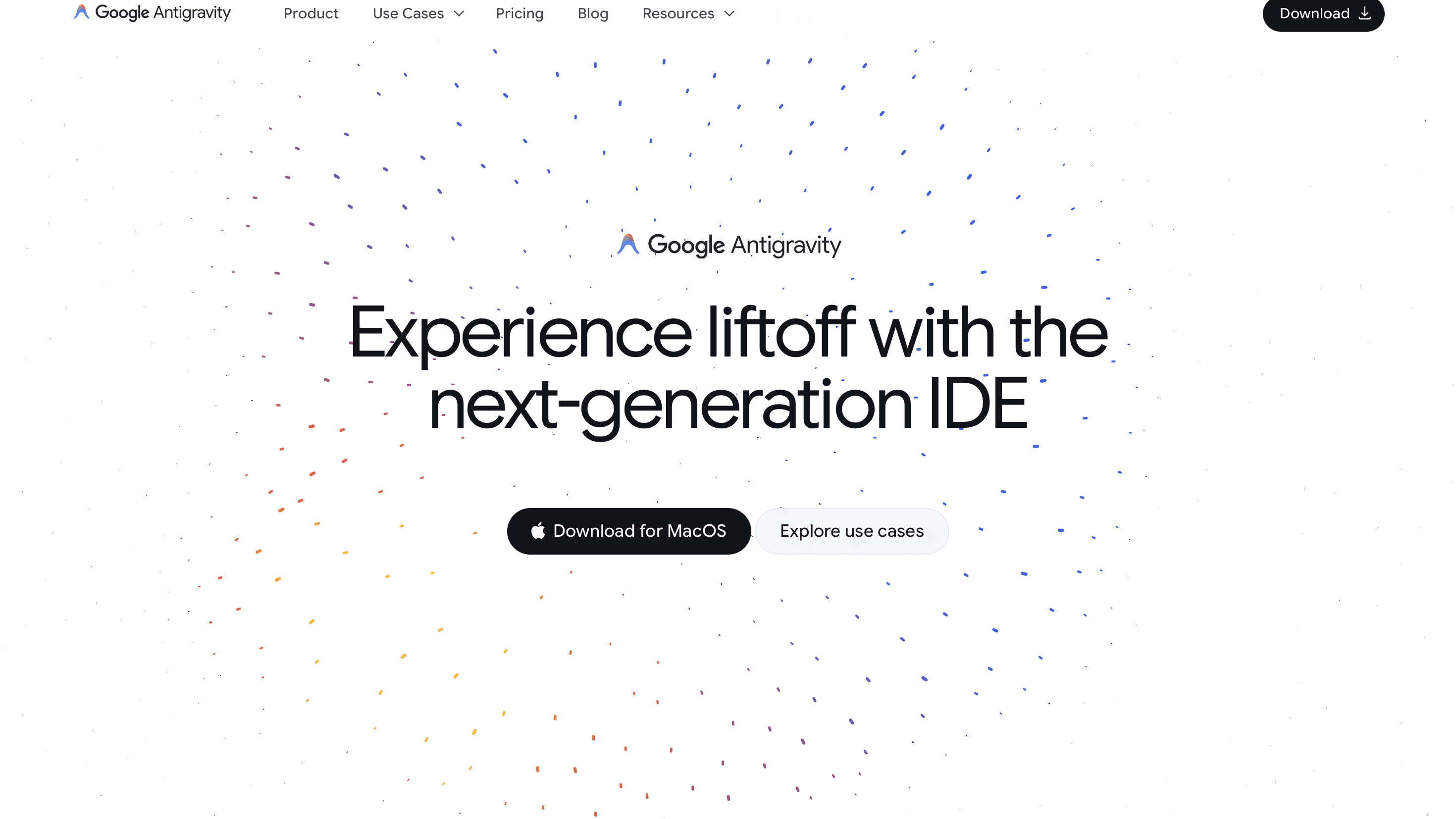
Antigravity represents the new generation of AI development environments where AI can plan architecture, write code, debug issues, and run development workflows. Instead of just helping developers, agent IDEs act more like AI engineering assistants. For technical founders or AI startups, this can significantly reduce development cycles and allow smaller teams to ship complex systems faster.
Antigravity represents the new generation of AI development environments where AI can plan architecture, write code, debug issues, and run development workflows. Instead of just helping developers, agent IDEs act more like AI engineering assistants. For technical founders or AI startups, this can significantly reduce development cycles and allow smaller teams to ship complex systems faster.
Pros
Pros
Faster development cycles
AI handles repetitive engineering tasks
Faster development cycles
AI handles repetitive engineering tasks
Cons
Cons
Early ecosystem maturity
Works best with technical teams
Early ecosystem maturity
Works best with technical teams
Best Suited For
Best Suited For
AI startups, technical founders, product engineering teams
AI startups, technical founders, product engineering teams
Perplexity
Perplexity
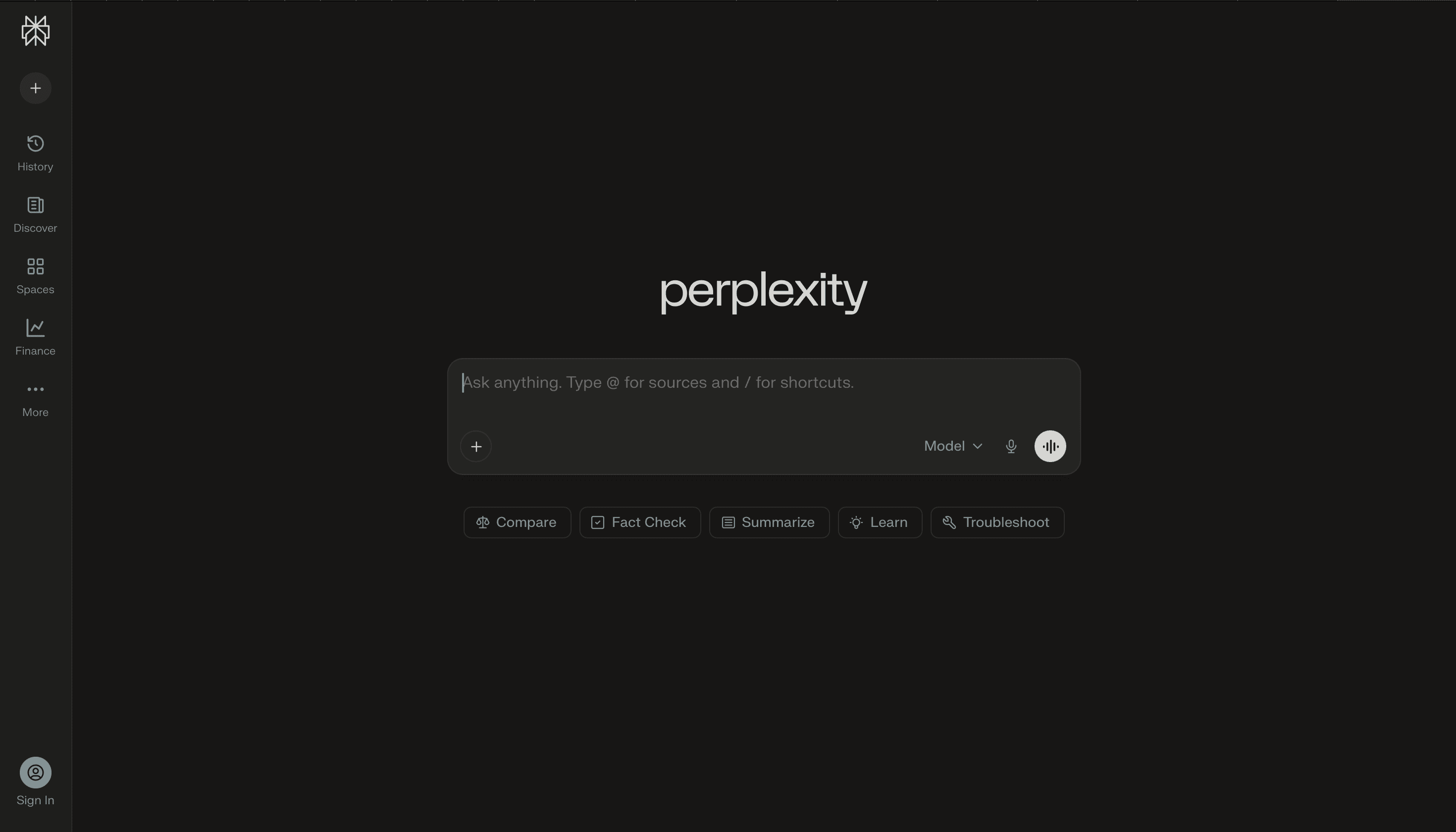
Perplexity is an AI research and knowledge engine designed for deep information discovery. Founders use it for market research, competitor analysis, industry trend tracking, and decision support. Unlike traditional search engines, it synthesizes information and provides structured answers with sources, helping founders make faster and more informed decisions.
Perplexity is an AI research and knowledge engine designed for deep information discovery. Founders use it for market research, competitor analysis, industry trend tracking, and decision support. Unlike traditional search engines, it synthesizes information and provides structured answers with sources, helping founders make faster and more informed decisions.
Pros
Pros
Real-time research
Strong citation-based answers
Multi-model reasoning
Real-time research
Strong citation-based answers
Multi-model reasoning
Cons
Cons
Advanced features locked in paid tiers
Advanced features locked in paid tiers
Best Suited For
Best Suited For
Market research, founder decision making, competitive intelligence
Market research, founder decision making, competitive intelligence
Google Gemini
Google Gemini
Gemini is Google’s advanced AI system that works across documents, research, coding, and content creation. It integrates deeply into Google Workspace, making it powerful for teams already working in Google Docs, Sheets, and Gmail. Founders can use it for research, planning, content creation, and productivity workflows inside tools they already use daily.
Gemini is Google’s advanced AI system that works across documents, research, coding, and content creation. It integrates deeply into Google Workspace, making it powerful for teams already working in Google Docs, Sheets, and Gmail. Founders can use it for research, planning, content creation, and productivity workflows inside tools they already use daily.
Pros
Pros
Strong research + reasoning
Works across Google ecosystem
Multimodal capability
Strong research + reasoning
Works across Google ecosystem
Multimodal capability
Cons
Cons
Best value if already using Google tools
Best value if already using Google tools
Best Suited For
Best Suited For
Research workflows, documentation, productivity
Research workflows, documentation, productivity
Magic Hour
Magic Hour
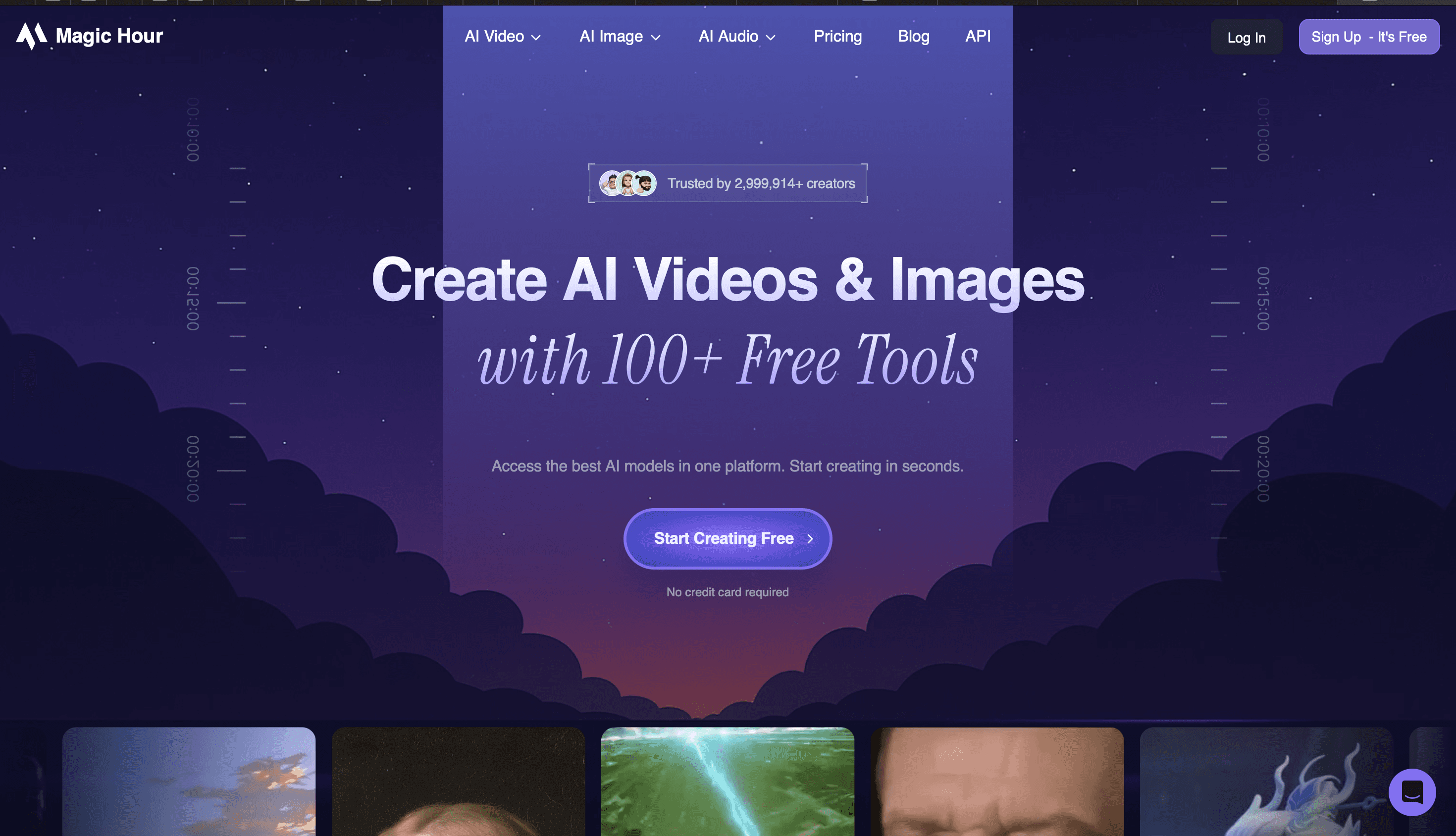
Magic Hour is an AI-powered visual content generation tool that helps founders create high-quality marketing visuals, headshots, product creatives, and brand assets without needing a full creative production setup. For early-stage founders, creating consistent marketing visuals is usually time-consuming and expensive. Magic Hour reduces that barrier by allowing founders to generate campaign-ready visual content using simple prompts or base images.
What makes Magic Hour useful for startups is speed and accessibility. Founders can quickly create social media creatives, product marketing visuals, team headshots, and early branding assets without hiring photographers or production teams. It helps maintain visual consistency while saving both time and early-stage marketing budget.
Magic Hour is an AI-powered visual content generation tool that helps founders create high-quality marketing visuals, headshots, product creatives, and brand assets without needing a full creative production setup. For early-stage founders, creating consistent marketing visuals is usually time-consuming and expensive. Magic Hour reduces that barrier by allowing founders to generate campaign-ready visual content using simple prompts or base images.
What makes Magic Hour useful for startups is speed and accessibility. Founders can quickly create social media creatives, product marketing visuals, team headshots, and early branding assets without hiring photographers or production teams. It helps maintain visual consistency while saving both time and early-stage marketing budget.
Pros
Pros
Fast visual content generation
Useful for early marketing and branding
Reduces production cost
Fast visual content generation
Useful for early marketing and branding
Reduces production cost
Cons
Cons
Needs manual refinement for brand consistency
Not a full replacement for high-end creative production
Needs manual refinement for brand consistency
Not a full replacement for high-end creative production
Best Suited For
Best Suited For
Early marketing teams, Founder branding, Social media and campaign creatives
Early marketing teams, Founder branding, Social media and campaign creatives
Fellow AI
Fellow AI
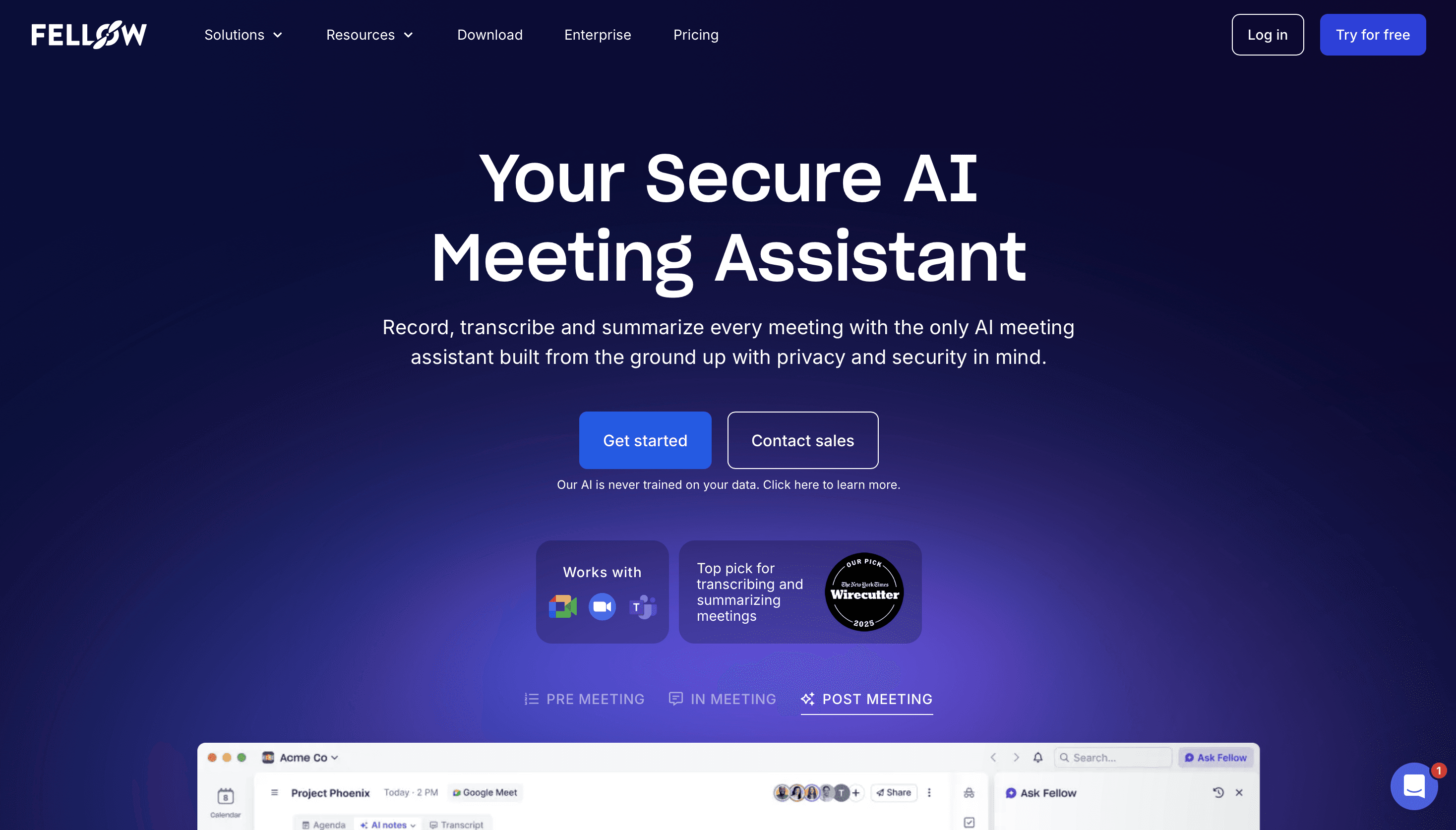
Fellow AI helps founders and teams capture meeting insights automatically. It records, summarizes, and extracts action items so teams don’t lose context or decisions. For early startups where speed and clarity matter, it reduces manual documentation and keeps everyone aligned.
Fellow AI helps founders and teams capture meeting insights automatically. It records, summarizes, and extracts action items so teams don’t lose context or decisions. For early startups where speed and clarity matter, it reduces manual documentation and keeps everyone aligned.
Pros
Pros
Saves manual note effort
Improves decision tracking
Good for remote teams
Saves manual note effort
Improves decision tracking
Good for remote teams
Best Suited For
Best Suited For
Startup teams, async collaboration, founder ops
Startup teams, async collaboration, founder ops
Mavic AI
Mavic AI
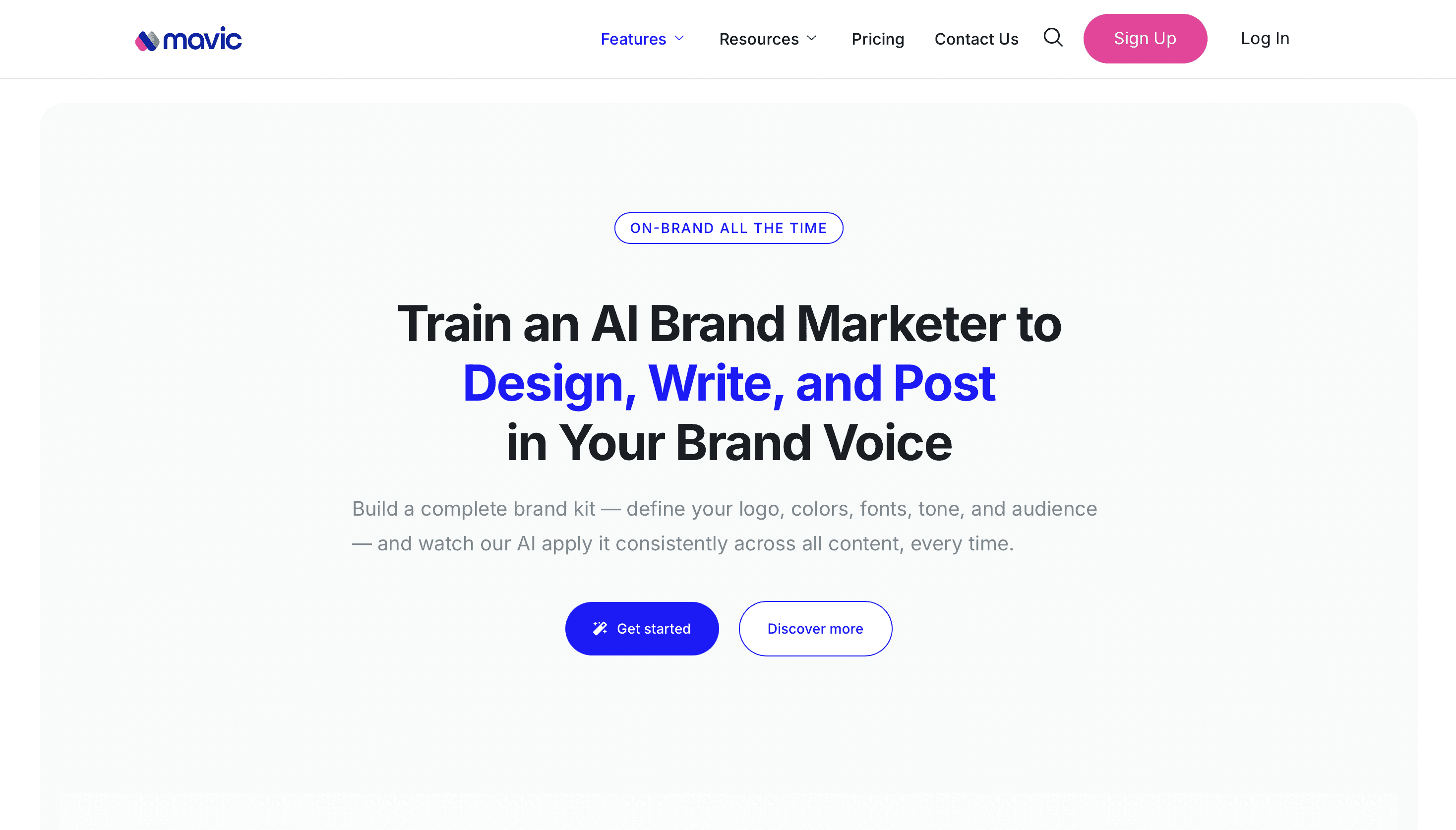
Mavic AI focuses on helping founders scale content and marketing workflows using AI automation. It helps with content planning, generation, distribution, and optimization. For early-stage founders building brand presence, it helps maintain consistent content without needing large marketing teams.
Mavic AI focuses on helping founders scale content and marketing workflows using AI automation. It helps with content planning, generation, distribution, and optimization. For early-stage founders building brand presence, it helps maintain consistent content without needing large marketing teams.
Pros
Pros
Helps scale content production
Supports early marketing growth
Helps scale content production
Supports early marketing growth
Best Suited For
Best Suited For
Content marketing, growth marketing, early GTM teams
Content marketing, growth marketing, early GTM teams
The Takeaway
The Takeaway
The real impact of AI for founders is not just in doing tasks faster, but in making better decisions with less trial and error. With the right tools, founders can validate ideas earlier, identify risks sooner, and allocate time and resources more effectively.
AI is also changing how small teams operate. Startups no longer need large teams to experiment, launch, and improve products. The focus is shifting from effort-heavy execution to smart, tool-driven execution.
Over time, the founders who win will be the ones who build strong AI-assisted workflows into how they operate every day. Not as an add-on, but as a core part of how they build, test, and grow their business.
The real impact of AI for founders is not just in doing tasks faster, but in making better decisions with less trial and error. With the right tools, founders can validate ideas earlier, identify risks sooner, and allocate time and resources more effectively.
AI is also changing how small teams operate. Startups no longer need large teams to experiment, launch, and improve products. The focus is shifting from effort-heavy execution to smart, tool-driven execution.
Over time, the founders who win will be the ones who build strong AI-assisted workflows into how they operate every day. Not as an add-on, but as a core part of how they build, test, and grow their business.
Explore Our Projects
Explore Our Projects
Explore Our Projects

edge
Let’s create something extraordinary together. Get in touch to build thoughtful, user-centered digital experiences.
Company
About Us
D
O
T
E
D
G
E
2026 DotEdge Design. All Rights Reserved
edge
Let’s create something extraordinary together. Get in touch to build thoughtful, user-centered digital experiences.
Company
About Us
D
O
T
E
D
G
E
2026 DotEdge Design. All Rights Reserved
edge
Let’s create something extraordinary together. Get in touch to build thoughtful, user-centered digital experiences.
Company
About Us
D
O
T
E
D
G
E
2026 DotEdge Design. All Rights Reserved
